Samhain: Meaning, Rituals, and Symbols for Witch’s New Year
Plus some tips on how to refresh your altar for the holiday.
As an Amazon Associate we earn from qualifying purchases. This post may contain affiliate links from Amazon and other sites that we collect a share of sales from. You may learn more here.
Samhain is one of — if not the most — important holidays for many the most pagans and witches on the Wheel of the Year. Samhain is the midpoint between the Autumn Equinox (Mabon) and the Winter Solstice (Yule). Samhain is celebrated from October 31 to November 1 in the Northern Hemisphere.
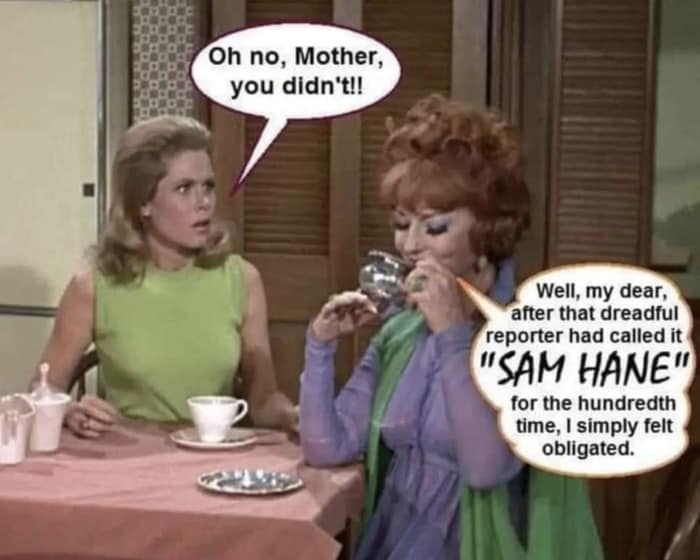
This pagan holiday has ancient Celtic roots, like the fire festivals Imbolc, Beltane, and Lughnasadh. For the Celts, Samhain (pronounced SOW-in or SAH-win, not Sam-hane) marked the end of the harvest season and the beginning of the dark half of the year.
The Celts celebrated Samhain with bonfires, animal sacrifices, communal feasts, and rituals to protect crops and livestock through the dark months ahead. And, they believed, like we do today, that it was a time when the veil between this world and the spirit or Otherworld is believed to be at its thinnest.
In modern times, Wiccans and neo-pagans have incorporated Samhain into the Wheel of the Year as the Witch’s New Year. It’s a time to honor ancestors, connect with spirits, and reflect on the themes of death and rebirth. While practices like tarot readings, ancestor altars, and the Dumb Supper aren’t part of traditional Samhain rites, they are now common.
Below, you’ll find Samhain’s rich history, spiritual meaning, traditional symbols, recipes, rituals, and ways to honor this powerful sabbat in your own practice.

What is Samhain?
Samhain is an ancient Celtic festival that honors the ancestors who have crossed to the Otherworld and is the last harvest before winter. For Wiccans, it’s the most important of the Greater Sabbats and the time when the sun God dies, to be reborn later at Yule.
Like the other liminal holiday, Beltane in the opposite quarter of the year, ancient Samhain celebrations featured bonfires and feasting. However, in the Samhain festivals, revelers would cook food and prepare drink for the spirits of the dead, such as soul cakes.
Explore Samhain
- Samhain Rituals and Traditions
- Samhain Recipes
- How to Set Up Your Samhain Altar
- A Dumb Supper Guide
- Celebrating Samhain When You Have Kids
- Samhain Party Ideas
The History of Samhain
Samhain is one of the four major fire festivals of the ancient Celtic calendar, alongside Beltane, Imbolc, and Lughnasadh. It marked the end of the harvest season and the beginning of the dark half of the year. (Beltane marks the beginning of the light half.) The name Samhain comes from Old Irish and is often translated as “summer’s end” (sam = summer, fuin = end).
Like the other fire festivals, Samhain was celebrated with bonfires, communal gatherings, and rituals of protection and purification. Herds were brought down from pastures, and any final crops were gathered. Food stores were counted, the weak culled from the herds, and homes prepared for the long, dark months ahead.
Its earliest mentions appear in early Irish mythology and medieval literature, including Tochmarc Emire (The Wooing of Emer) and the Acallam na Senórach (The Colloquy of the Ancients) reference Samhain as an important festival.
From The Wooing of Emer:
Samuin, i.e., the end of summer. For two divisions were formerly on the year, viz., summer from Beltaine (the first of May), and winter from Samuin to Beltaine.
The Thinning of the Veil
For the history of this belief, we turn to The Echtra Neraí (The Adventures of Nera). It’s that short spooky story that puts the supernatural spin on the sabbat. And, from it, we get a primary souce that portrays Samhain as a liminal time, when: the dead speak and walk (and are dangerous), time moves differently, and humans can enter the Otherworld realms.
It’s the closest surviving narrative to what modern pagans and witches describe as “the veil thinning.” It also connects Samhain with prophecy, altered states, sídhe (pronounced shee) encounters, and ancestral spirits, shaping much of the associations we have with the sabbat today.
The Otherworld and Its Inhabitants
The Otherworld is a parallel realm that exists alongside our own. Described in myth as places like Tír na nÓg (the Land of Youth), Mag Mell (the Plain of Delight), and the síd mounds themselves, it was a land of eternal youth, beauty, strange laws, and timelessness. Sometimes it was reached by crossing water, entering caves, or simply stepping through a doorway at the right (or wrong) time.
In early Irish belief, fairies were not fluttery woodland sprites, but powerful, other-than-human entities tied to the land, the gods, and perhaps most eerily, the edges of death. They were known as the Aos Sí (People of the Mounds) or sídhe were believed to be the remnants of the Tuatha Dé Danann, the Celtic gods of Ireland (like Lugh), who retreated into síd mounds after their defeat by the Milesians.
They believed that the Aos Sí emerged most strongly at liminal points in the year. And, some believed the spirits of ancestors could also pass through the mounds, particularly at Samhain. At this time, the dead would return to their families, and they expected to be welcomed with light, food, and honor. Meanwhile, the Aos Sí were roaming, gathering tithes, and testing boundaries.
It’s worth noting that in Irish and Scottish lore, the Sídhe are sometimes split into two broad temperaments. Though these terms come from later Scottish folklore, they help categorize the complex nature of the beings as perceived in various Celtic traditions.
- Seelie-type (benign or neutral): Spirits of favor, fertility, and light more commonly associated with Beltane.
- Unseelie-type (malicious or wrathful): Enforcers of forgotten bargains, bringers of mischief or illness and more often connected to Samhain.
As folklorists like W.Y. Evans-Wentz and John Gregorson Campbell have noted, to keep peace, communities left offerings of bread, milk, or whiskey at thresholds, hearths, or sacred trees. Protective charms were placed over doorways, livestock pens, and beds from a clear understanding that these were not humans, and they were not bound by human codes.
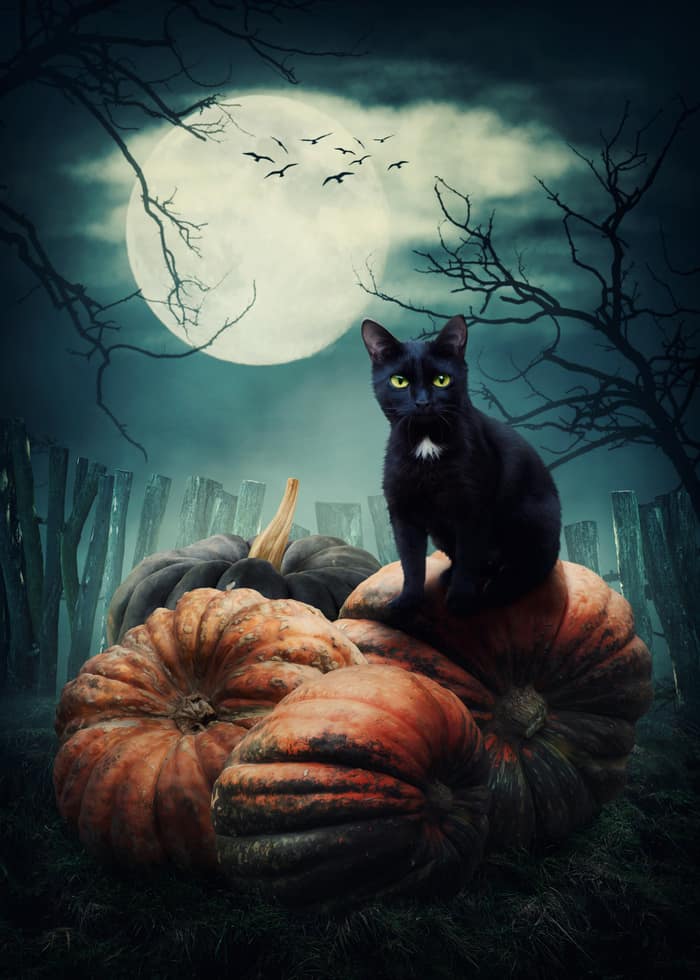
For instance, in Scottish Highland folklore, one such spirit was the Cat Sìth. It was a large black cat with a white patch on its chest, said to steal souls or dry up cows’ milk if not offered a bowl of cream. Though not directly part of Irish Sidhe lore, legends like this may have contributed to the later association between black cats and Halloween.
These practices of presenting offerings were observed at both Samhain and Beltane. But while the actions were similar, the intent and tone differed. At Beltane, offerings were often made to invite the favor of the land spirits, particularly the more benevolent Seelie-type, to bless the growing season, protect herds, and ensure fertility.
At Samhain, the offerings were acts of appeasement and protection, meant to ward off the Unseelie, the restless dead, and otherworldly forces that moved freely on that liminal night.
For Samhain was not just a night when the dead returned, but when all the rules of place and time shifted. The Otherworld pressed closer. Spirits stirred. And the living lit fires, told stories, and kept watch at the edges of the dark.
The Meaning of Samhain Today
In modern pagan and Wiccan traditions, Samhain is a time to honor death as an important part of the life cycle, as a transition from this world to the next. It’s a time when the living may connect with ancestors, the spirit world, and their own inner knowing.
At Samhain, the Goddess is in her Crone aspect. She is the veiled one, guide of souls and keeper of mysteries. She rules over death, transformation, and the spirit world. She helps those face what must be let go. Also, at this time, she mourns the God’s passing until his rebirth at Yule.
For it is at Samhain, that the God dies, crossing into the Otherworld. He may appear as the Shadowed One, the guardian of liminal spaces, or as the stag who leads souls through the mist.
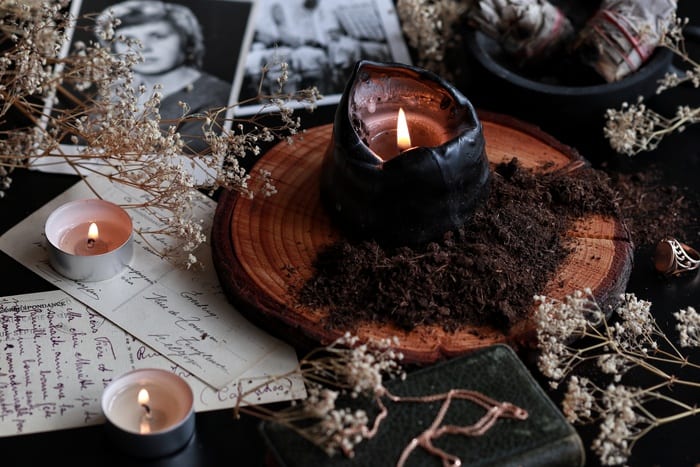
Modern Samhain rituals often reflect these themes: lighting candles for the dead, placing photos and offerings on ancestral altars, meditating on what needs to be released, and doing divination to learn what the future holds. It is a time to honor what was, accept what is, and prepare for what will come.

Samhain vs. Halloween: What’s the Difference?
Though they fall on the same date, Samhain and Halloween are not the same holiday. Halloween, or All Hallows’ Eve, developed much later. As Christianity spread through Celtic lands, the Church overlaid the festival with All Saints’ Day (November 1) and All Souls’ Day (November 2), reframing the spiritual focus around saints and the Christian dead.
Over time, Halloween became more secular and folkloric, evolving into the costumed, candy-filled celebration we know today.
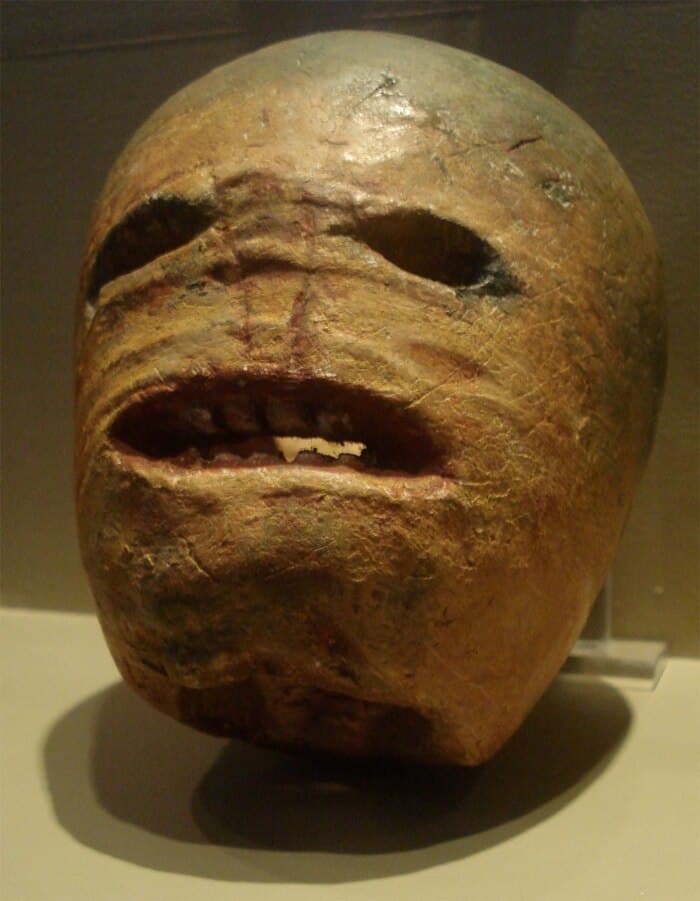
However, one symbol of Halloween, the jack-o’-lantern, has its roots in Samhain traditions. Before pumpkins, people in Ireland and Scotland carved turnips into grotesque faces and placed embers or candles inside. These were set in windows or along paths to ward off wandering spirits, especially the malevolent kind.
According to historian Ronald Hutton in The Stations of The Sun, during the early modern period in parts of Scotland and Ireland, it was also customary for young people to dress in disguise at Samhain. They would impersonate the dead or the sídhe, often walking door to door, singing songs or reciting verses in exchange for food.
This practice, sometimes called guising, was both a form of protection and a ritual acknowledgment of the spirits roaming that night. It laid some of the cultural groundwork for the modern trick-or-treat tradition, albeit with more serious intentions.

What are the Colors and Symbols of Samhain?
Whether you’re building an altar, celebrating the end of the harvest, or honoring the turning of the Wheel, Samhain is rich with symbols of death, transformation, and the supernatural. Here are some of its colors and symbols.
Samhain correspondences to consider for your altar or home:
- Colors: Black, orange, deep purple, burgundy
- Plants and Herbs: Mugwort, rosemary, wormwood, sage, bay leaves, acorns, heather
- Offerings: Soul cakes, apples, turnips, pumpkins, dark breads, mulled wine, cider
- Crystals and Stones: Obsidian, smoky quartz, onyx, jet, bloodstone, amethyst
- Animals: Crows, owls, bats, cats, spiders, wolves
- Gods: The Morrigan, Hekate, Hades, Cernunnos, Anubis, Hel
Here are some Samhain altars from other witches to inspire your own.
Other Samhain Symbols Include:
Ancestor Photos: Samhain is a time to honor the dead. Place photos of your loved ones, their heirlooms, or symbols of them on your altar.
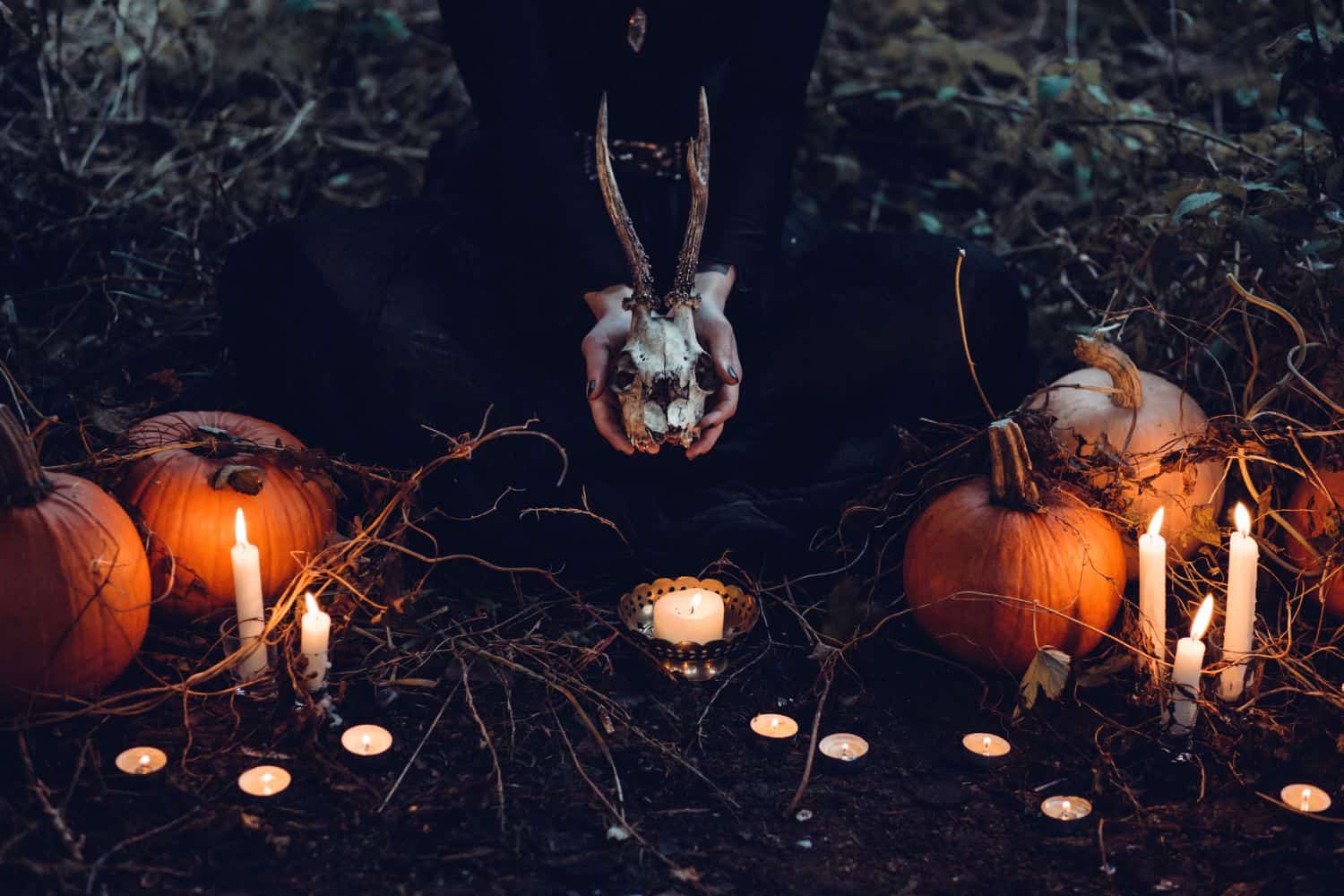
Skulls and Bones: Whether real or decorative, both death and ancestral wisdom and remind us that life is cyclical.
The Veil: Often symbolized by fabric, mist, or mirrors, the veil is what separates the worlds. Incorporate it through gauzy altar cloths.
Turnips: Before pumpkins became the standard, Celts carved faces into turnips and gourds to ward off malevolent spirits. This practice was both protective and symbolic of the thinning veil.
Candles: Fire holds space for both remembrance and protection. Light candles in honor of loved ones who’ve passed, or to guide spirits home.
Otherworldly Symbols: Bells, iron keys, acorns, and protective charms may be placed near thresholds to guard against mischievous spirits. Mirrors or shiny stones were sometimes used to deflect unwanted energies or confuse wandering spirits.

Samhain Recipes and Foods
- Apples: Apples are linked to the Otherworld. They were buried with their dead and were also used for divination. Slice one crosswise to reveal the pentagram inside.
- Pumpkins: Roast or bake into pies, breads, or stews. They symbolize prosperity, nourishment, and hearth magic.
- Hazelnuts: For the Celts, the hazel tree was very important as it stood at the heart of the Otherworld. Its fruit, the hazelnut, symbolized wisdom and inspiration.
- Barmbrack: This traditional Irish yeast bread is studded with dried fruit and warm spices. Around this time of year, charms like a coin, a ring, or a cloth were baked into the loaf to predict the fate of whoever received them.
- Champ: Champ is an Irish dish made with mashed potatoes, scallions, butter, and milk. During Samhain, one custom was to place a spoonful of it at the base of a Hawthorn tree as an offering to the fairies as Hawthorn trees were considered entrances to the Otherworld.
- Root Vegetables and Turnips: Carrots, turnips, beets, and potatoes are classic late-harvest foods. Roast them with herbs or use in hearty soups.
- Cider or Wine: Traditional for honoring spirits and celebrating the turn of the year.
- Ancestral Offerings: Milk, salt, honey, their favorite foods, or a bite of your meal can be placed on the altar as offerings for the dead.
Here are 50 easy Samhain recipes you can make for the holiday.

Samhain Rituals to Celebrate the Pagan Holiday
Traditionally, this liminal festival blends solemn ritual with celebration, and many witches mark the occasion with acts of remembrance, protection, and divination. Whether you’re gathering with your coven or observing solo, here are some rituals to honor it. You can find more Samhain rituals here.
1. Honor the Dead
Create an ancestor altar with photos, candles, mementos, or favorite foods of loved ones who’ve passed. Light a candle in their honor, speak their names, and invite their presence. You can also hold a dumb supper. This is a silent meal where a place is set for the dead, allowing them to join the feast.
2. Bake Soul Cakes
Soul cakes are small spiced buns traditionally given to the poor in exchange for prayers for the dead on All Souls’ Day. While Christian in form, many scholars believe this practice evolved from older pagan traditions of offering food to the departed.
3. Do Divination
With the veil thin, Samhain is an ideal time to practice tarot, runes, scrying, or pendulum work. You might seek insight for the year ahead or messages from beyond.
4. Make a Scrying Mirror
If you’re feeling crafty, create your own black mirror for scrying. Paint the back of a glass pane with black acrylic and frame it. Or, just use a dark bowl of water or even a turned-off phone screen.
5. Throw a Bonfire
Bonfires were central to Samhain celebrations in Celtic lands. If you can’t light a full fire, do a candle spell for release or protection.
6. Perform Protection and Banishing Spells
Samhain is a powerful time for cleansing, warding, and banishment. New to witchcraft? Here’s how to cast your first spell.
7. Do Shadow Work
Reflect on the year behind you: What died? What needs to? What wisdom did it leave behind? Shadow work, grief rituals, and journaling can help you integrate what’s been left unspoken.
8. Carve a Turnip Lantern
Before jack-o’-lanterns became a pumpkin tradition, people in Ireland and Scotland carved turnips to create ghoulish spirit-warding lanterns. They were often placed on windowsills or doorways to frighten off wandering spirits or mimic them.
9. Celebrate in Community
If you’re part of a coven or local spiritual group, consider gathering for a Witches’ Ball, potluck, or to do some witchcraft.
Sources and Further Reading
The Pagan Book of Days: A Guide to the Festivals, Traditions, and Sacred Days of the Year by Nigel Pennick
Wicca: A Guide for the Solitary Practitioner by Scott Cunningham
The Wooing of Emer translated by Kuno Meyer
The Colloquy of the Ancients
Samhain: Rituals, Recipes & Lore for Halloween by Diana Rajchel