Litha: The Pagan Celebration of the Summer Solstice

A look at the history, symbols, and meaning of the Summer Solstice.

Litha

As an Amazon Associate we earn from qualifying purchases. This post may contain affiliate links from Amazon and other sites that we collect a share of sales from. You may learn more here.


Litha is a Wiccan and modern pagan holiday that celebrates the Summer Solstice, the longest day of the year. The minor sabbat falls between the fire festivals of Beltane and Lughnasadh on the Wheel of the Year. It is observed between June 20 and 22 in the Northern Hemisphere. That is the day the Sun reaches its highest point in the sky.

Unlike the ancient Celtic fire festivals (Imbolc, Beltane, Lughnasadh, and Samhain), there is no solid evidence that the Celts formally celebrated the solstice, also known as Midsummer (yup, same one as in Shakespeare).

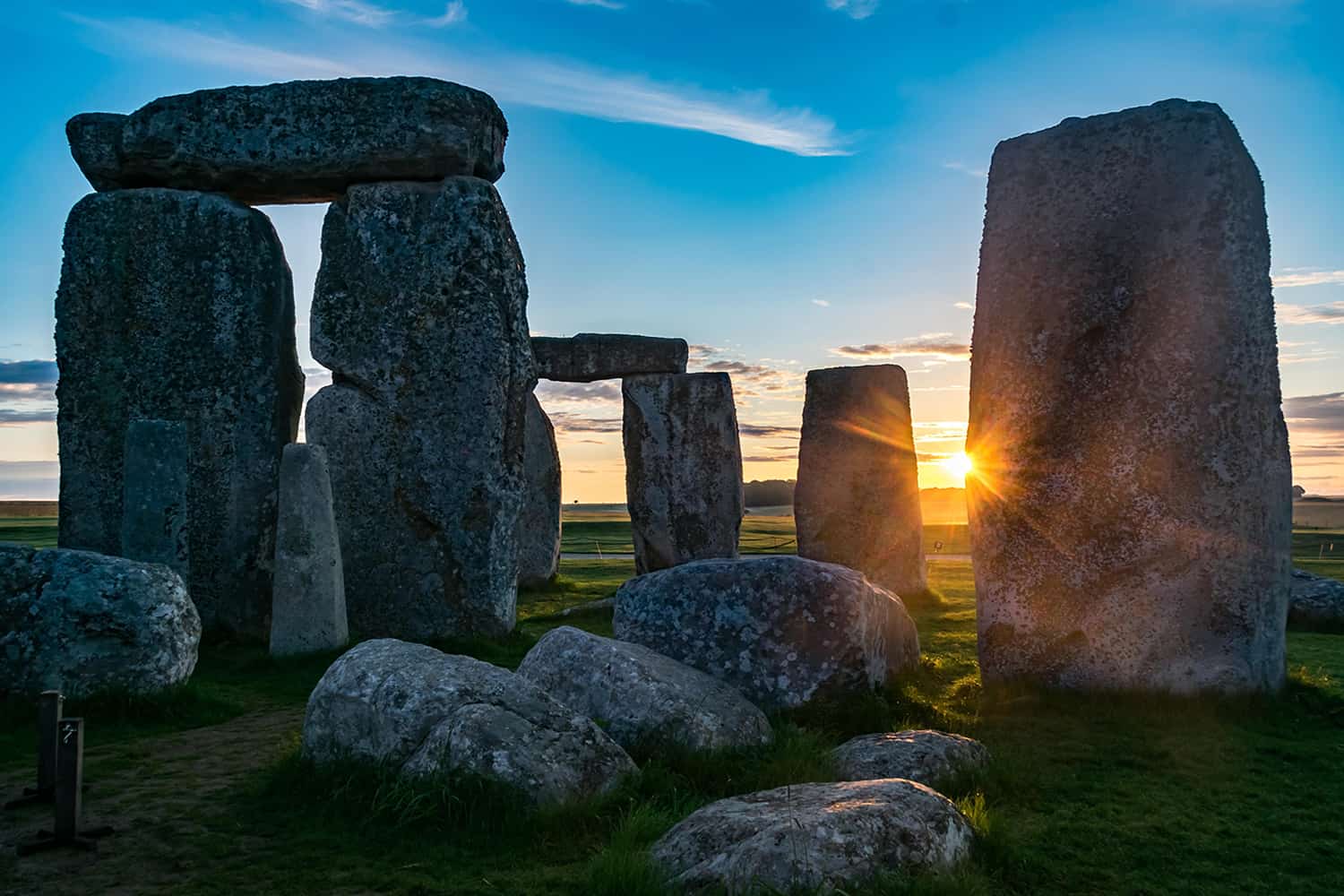
However, cultures across prehistoric and ancient Europe, particularly in the Neolithic and Bronze Age, clearly marked the sun’s movements. You can see this evidence in monuments like Stonehenge in England and the Grange Stone Circle in Ireland, both aligned with the sunrise on that day. Both are also great places to visit if you want to take part in Summer Solstice celebrations.

In modern times, Wiccans and contemporary Pagans honor Litha as a time of abundance, vitality, and peak solar energy on the Wheel of the Year. It’s a time for celebrating the light, connecting with nature’s fullness, and acknowledging the turning point in the year as the days begin to slowly shorten. Mythologically, it’s associated with solar deities like Apollo and Ra, the Wiccan Oak King, and the Green Man.

If you’re interested in celebrating Litha today, here are some rituals, recipes, and altar inspiration to get you started.

Litha - Summer Solstice Correspondences

The History of Litha

On Litha (pronounced LEE-tha), the summer solstice and the longest day of the year, the sun seems to stop in the sky, rising and setting in the same place for a few days in a row. In fact, the word solstice comes from the Latin solstitium, which means the “sun stands still.”
The use of the word “Litha” for the summer solstice originates from the work of Gerald Gardner, the founder of modern Wicca. He likely found it in the work of the Venerable Bede’s De Temporum Ratione, where Bede recorded that the Anglo-Saxons called June Ærra Liða (“before Litha”) and July Æftera Liða (“after Litha”).

But, unlike the fire festivals of Imbolc, Beltane, Lughnasadh, and Samhain which are also major Wiccan holidays, this holiday does not appear in Celtic myth or early medieval Irish texts. In fact, there’s no evidence that the ancient Celts marked the summer solstice with formal rites.

Instead, many contemporary Litha observances draw inspiration from Norse Midsummer traditions, Roman festivals like Vestalia, and European folk customs.

Litha - Sunflowers

The Summer Solstice vs St. John’s Day: What’s the Difference?

As you explore the Summer Solstice, you might also come across Midsommar and St. John’s Day. Midsommar and the solstice are often used interchangeably, especially when talking about Northern European festivals. But while they all occur around the same time, they each have distinct origins and meanings.

The Summer Solstice is the astronomical event marking the longest day of the year, which occurs between June 20 and 22 in the Northern Hemisphere. In pre-Christian Europe, the solstice was often marked with bonfires, feasting, dancing, and nature rituals.

In places like Sweden, the celebration became known as Midsommar, a seasonal festival that now includes flower crowns, maypoles, dancing, and feasting. (And a movie I won’t be watching.) Though secular for many today, many of its roots trace back to Pagan solstice customs, which were eventually blended with Christian influence.

That’s where St. John’s Day comes in. Celebrated on June 24, it’s a Christian feast commemorating the birth of John the Baptist. But its placement was no accident. The Church positioned it just after the summer solstice to absorb older midsummer celebrations, reinterpreting seasonal rites through a Christian lens. Today, you’ll still find overlap between Midsommar and St. John’s Day, especially in Scandinavia and Slavic countries, where Midsommar is usually celebrated the Friday and Saturday closest to June 24.

Litha - Rituals

The Meaning of Litha Today

In Wiccan traditions, Litha marks the peak of the God’s power and the fullness of the Goddess. As the Earth overflows with light, life, and abundance, it is a sabbat of fulfillment. It is also one of transition as the sun reaches its highest point before beginning its slow descent.

At Litha, the Goddess is in her Mother aspect. She is radiant, fertile, at the height of her creative power, and carrier. She is also the embodiment of the Empress tarot card if you are familiar with that system.

The God, who may appear as the Oak King, the Horned God, the Green Man, and stands at the height of his strength. But, in his Oak King aspect, he is about to be symbolically defeated by the Holly King, who is ruler of the waning year from Litha to Yule.

Where Beltane focused on their union, Litha celebrates culmination. It represents the fruiting of what was planted (the first harvest comes at Lughnasadh), the peak of the sun’s power, and the first whisper that change is coming, as after it the days begin to get shorter again. It is a time to honor fire, both literal and symbolic.

Many modern Wiccans celebrate Litha with bonfires, sun rituals, and outdoor gatherings that honor the season’s fullness.

The Sabbats and the Wheel of the Year Guide

Litha Symbols and Colors

Whether you’re building a seasonal altar or honoring the sun this season, Litha is full of rich, symbolic imagery. This sabbat honors passion, fire, abundance, and the fullness of life. The items you choose should do so as well.

Litha Symbols

  • Colors: Gold, yellow, orange, red, green, bronze, white
  • Crystals: Citrine, sunstone, amber, carnelian, tiger’s eye
  • Animals: Stag, bee, eagle, butterfly, lion, horse, rooster, firefly
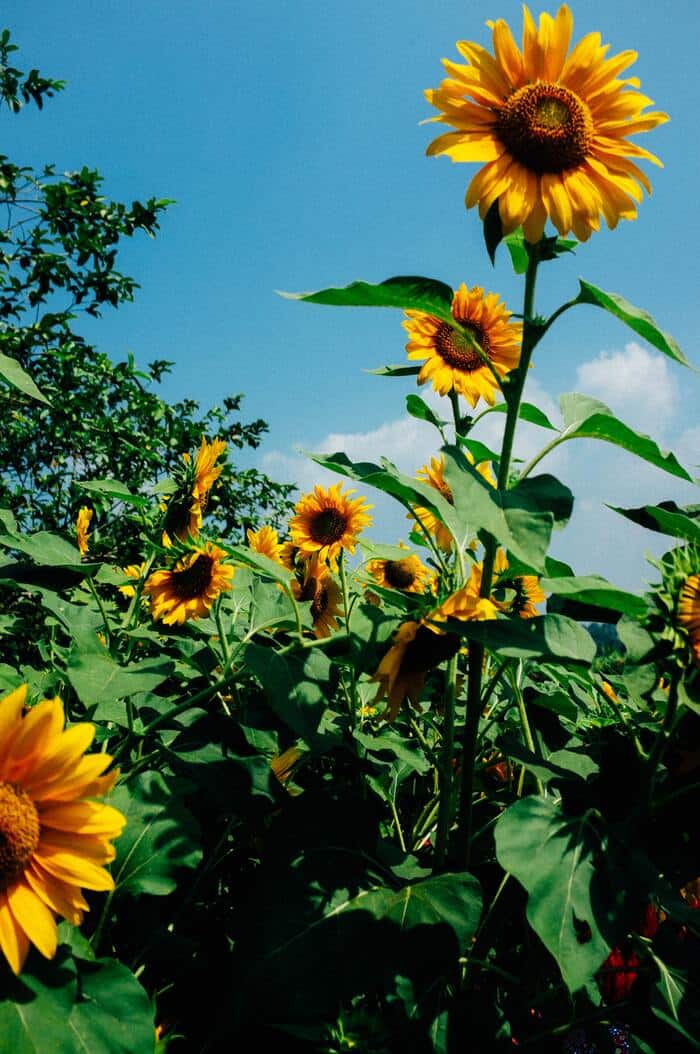
  • Flowers: Sunflowers, roses, marigolds, calendula, daisies, chamomile
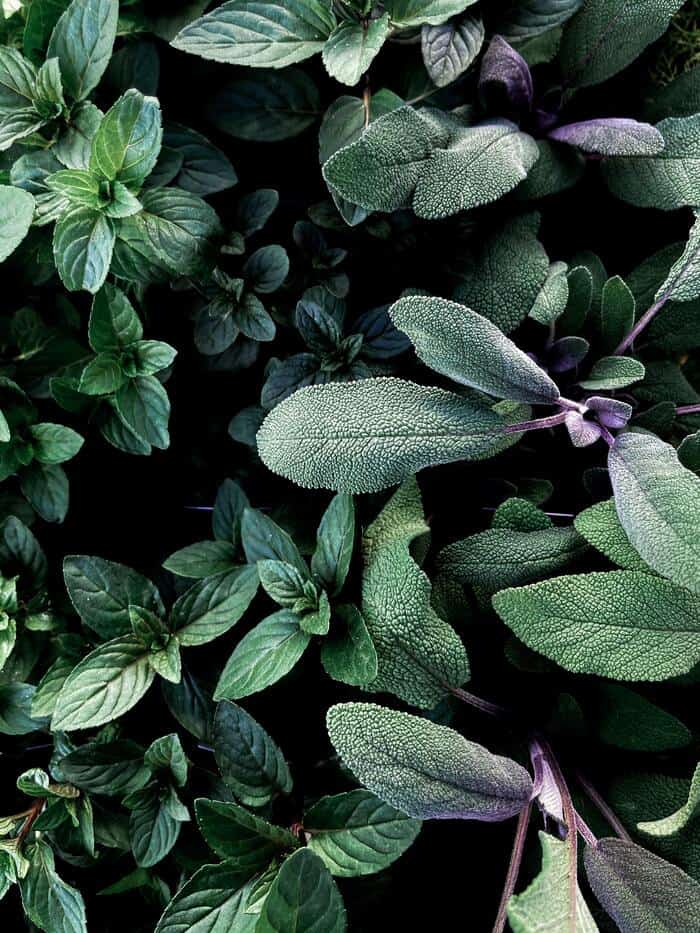
  • Plants: Basil, rosemary, lavender, lemon balm, mint, mugwort

Other Litha symbols include:

Green Man Statues or Imagery: The Green Man, with his leafy face and wild spirit, represents the height of nature’s vitality. He is often honored at Litha as a symbol of masculine fertility, growth, and the sacred wild. Add a Green Man plaque, statue, or artwork to your altar or garden to invoke his energy.

Bonfires: Litha honors the sun at its peak. Long ago, bonfires were lit on hilltops across Europe to celebrate the sun’s strength and ask for protection for the season ahead. If a bonfire isn’t possible, use gold, yellow, or red candles to represent the sun’s energy and spark your own rituals of strength, courage, or transformation.

Flower Crowns: While flower crowns are popular at Beltane, they’re equally meaningful at Litha as the holiday honors nature being in full bloom. Choose flowers like sunflowers, marigolds, or calendula for your crown. You might also incorporate found antlers, or charms or animals like bees and stags that are associated with the holiday.

Here’s how to set up your own Litha altar for the Summer Solstice.

What Are Litha’s Recipes and Foods?

Litha foods celebrate the ripeness of the season. The first harvest comes about six weeks later, and now is a great time to enjoy many fruits and vegetables that are now at their peak. Here are some to add to your feast or offerings.

  • Honey: Honey is a symbol of sweetness, pleasure, and the rewards of hard work. Use it in baked goods, drizzle it over fruit, or offer a spoonful on your altar to honor the bees and abundance of the season.
  • Strawberries: One of summer’s earliest fruits, strawberries are linked to love, passion, and the full, ripe energy of the Earth. Serve them fresh, bake them into a pie, or pair with cream for a simple solstice dessert.
  • Mead: This traditional solstice drink is made from fermented honey and is perfect for toasting the sun and the land.
  • Lemon: Light, cleansing, and sun-colored, lemon brings brightness and clarity to summer dishes.
  • Summer Herbs (thyme, dill, chives, garlic): These herbs thrive under the summer sun and carry properties of protection, vitality, and purification. Use them in your cooking, dry them for spellwork, or add them to your Litha altar. (If you’re starting a garden this summer, consider adding these witchy herbs to it.)
  • Yellow, Red, and Orange produce: Fruits and vegetables in fire-aligned colors symbolize solar energy.
  • Fire-Cooked recipes: Think grilled vegetables, roasted meats or plant-based dishes, or flame-seared fruits.

Here are 70 easy Litha recipes you can make for the holiday.

Litha Foods Summer Solstice Recipes

How to Celebrate Litha

Modern Pagan and Wiccan Litha celebrations center around honoring the sun’s peak, connecting with nature in full bloom, and embracing the energy of abundance, vitality, and transformation. It’s a sabbat of light, fire, and gratitude. And, the turning point where the days begin to shorten once again until we reach Yule.

Some join community gatherings or solstice festivals, visiting sacred sites like Stonehenge or hosting seasonal feasts and bonfires. But you can also celebrate at home or with close friends, through ritual, reflection, and seasonal offerings.

Litha - Celebration

Here are some Litha celebration ideas:

  • Visit Stonehenge or another solstice-aligned destination: If you’re looking for a summer trip, consider making a trip to Stonehenge. Or, one of these other locations that are aligned with the summer solstice.
  • Make Litha recipes. Make recipes using honey, strawberries, grilled meats and vegetables, and produce in the colors of the season.
  • Make and wear a flower crown: Use sunflowers, marigolds, or calendula and symbols of Litha to honor the ripeness of the season and the peak of the God’s power. Ribbons or lace can add to the festive feeling of the crown.
  • Spend the day in nature. Take a walk, garden, go on a picnic, spend time at the beach, or just bask in the sunlight.
  • Host a bonfire or do candle magic. Gather friends, light a fire or candles, and share food, laughter, and wishes for the season. As with many other pagan festivals, a bonfire is a way to celebrate this sabbat and, for Litha, it hearkens back to early summer solstice practices.
  • Create a Sun catcher: Make a sun catcher or herbal wreath to hang in your window. These serve as reminders of the sun’s protection.
  • Gather Herbs: The power of the sun is at a peak, making the morning of Litha a good time to harvest summer herbs. If you have a herb garden, spend some time there and enjoy the extra energetic boost of midsummer.
  • Decorate your Altar with Flowers: Bring in some of the summer abundance with fresh flowers and use these to refresh your altar. Look for what is locally available and make your home feel bright and full of light.

Here are more Litha rituals to consider and a ton of Summer Solstice party ideas.

Sources and Further Reading

The Pagan Book of Days: A Guide to the Festivals, Traditions, and Sacred Days of the Year by Nigel Pennick
The Triumph of the Moon: A History of Modern Pagan Witchcraft by Ronald Hutton
Stations of the Sun by Ronald Hutton
History of Summer Solstice Traditions” by the National Trust
Wicca: A Guide for the Solitary Practitioner by Scott Cunningham
Midsummer: Rituals, Recipes & Lore for Litha by Deborah Blake
The Midsummer Tomte and the Little Rabbits: A Day-by-day Summer Story in Twenty-one Short Chapters by Ulf Stark

Related